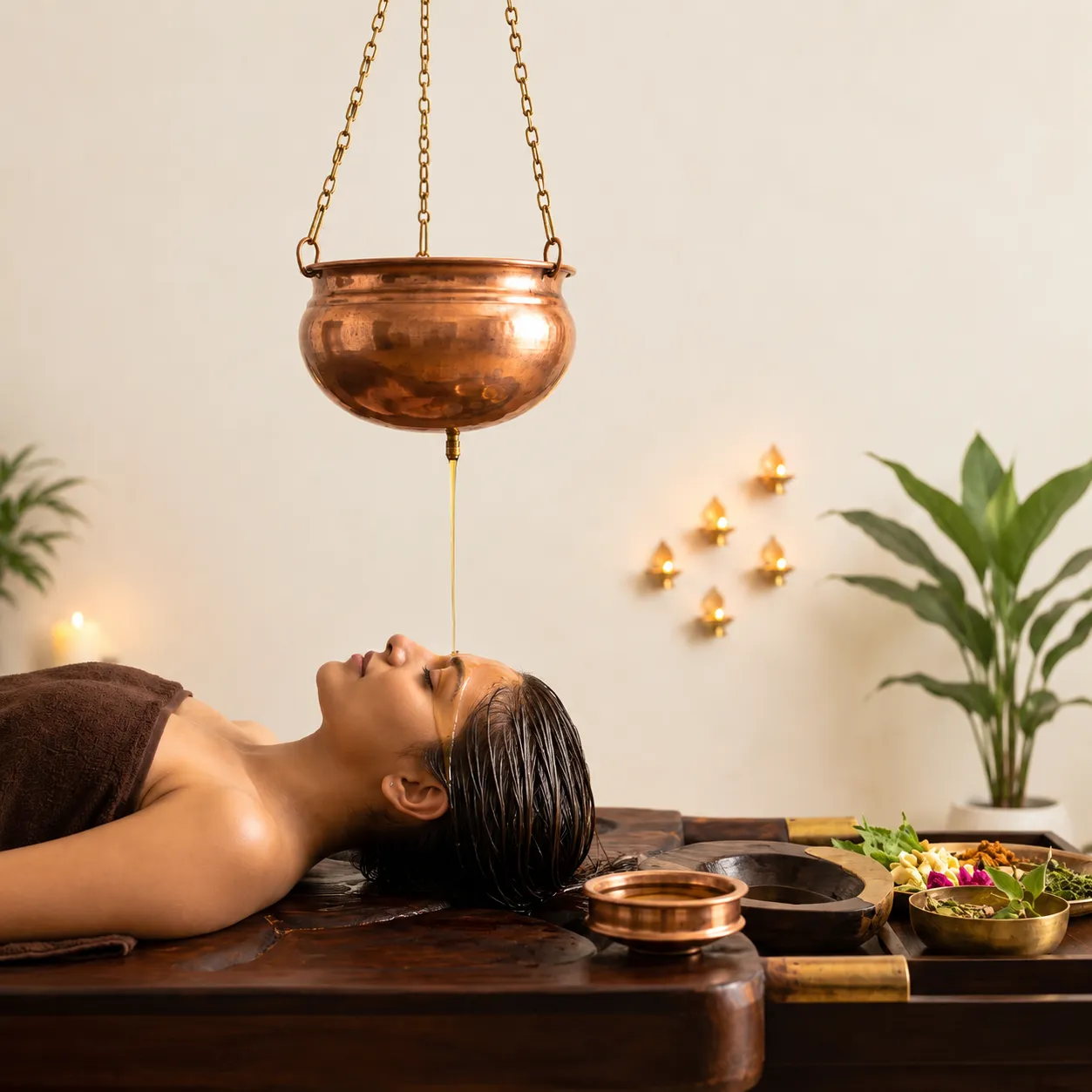
Why Maharishi Ayurveda starts somewhere other than the body, and what that has to do with a warm oil treatment in the Dutch National Park.
Because the word Maharishi in Maharishi Ayurveda refers to something specific.
Ayurveda is a complete system of health that is thousands of years old. Over that time much of it survived and some of it did not.
In the early 1980s Maharishi Mahesh Yogi worked with India's foremost Vedic scholars to restore what had been lost: consciousness as its foundation.
That restoration is what the name Maharishi Ayurveda refers to.
It means the system treats consciousness as the ground that body and mind arise from, rather than as something the body produces.
Opening the Health Centre in April 2026, Dr Tony Nader put it in one line:
"Health does not begin in the body, it begins in consciousness."
What that means in practice is that everything arises from consciousness first. Your thoughts, your behaviour, your emotions, your desires all begin there, and all of them shape your health.
So consciousness is not one more thing to look after alongside diet and sleep. It is the level the rest of it rests on, and it shows up in how you eat, how you sleep, how you hold yourself, and eventually in the bodily tissues themselves. Begin with the body alone and you are starting at the end of that sequence rather than at the source of it.
Modern research points the same way. Across 52 countries, psychosocial factors accounted for about a third of the risk of a first heart attack (Yusuf and colleagues, The Lancet, 2004).
A group of practices Maharishi restored alongside Ayurveda, of which the Transcendental Meditation technique is by far the best known. Others include Maharishi Yoga Asanas and Pranayama, Gandharva Veda music, and Maharishi Vastu, the architecture our Health Centre itself is built in.
Our three Signature Therapies belong here too. Maharishi Marma Therapy, Maharishi Light Therapy with Gems and Maharishi Ayurveda Aroma Therapy were each developed, or restored from the classical descriptions, under Maharishi's own guidance. All three can be booked during your stay.
Yes. It is taught at MERU by the Academy, on its own course and by certified teachers, rather than by the Health Centre.
It can be combined with your wellness stay: a day at the Ayurvedic Spa or a short Ayurvedic Experience sits well alongside a Meditation course.
A great deal, across five decades and in peer-reviewed journals.
A randomised controlled trial of African American adults with coronary heart disease found a 48 per cent reduction in the combined rate of death, non-fatal heart attack and non-fatal stroke.
A five-year study of medical care use found around 50 per cent fewer physician visits and hospital days among people practising the technique.
These are findings about the Transcendental Meditation technique, not about the treatments given here. The full literature is collected on the Transcendental Meditation organisation's website and indexed on PubMed.
Directly, very little. Your Vaidya reads your pulse, your treatments are given, and the kitchen cooks freshly prepared organic vegetarian food each day.
What you will notice is the quiet, and it comes from what is going on around you: the Pandits reciting each day, a resident community that has meditated here morning and evening for decades, and buildings oriented so that the place settles rather than stimulates.
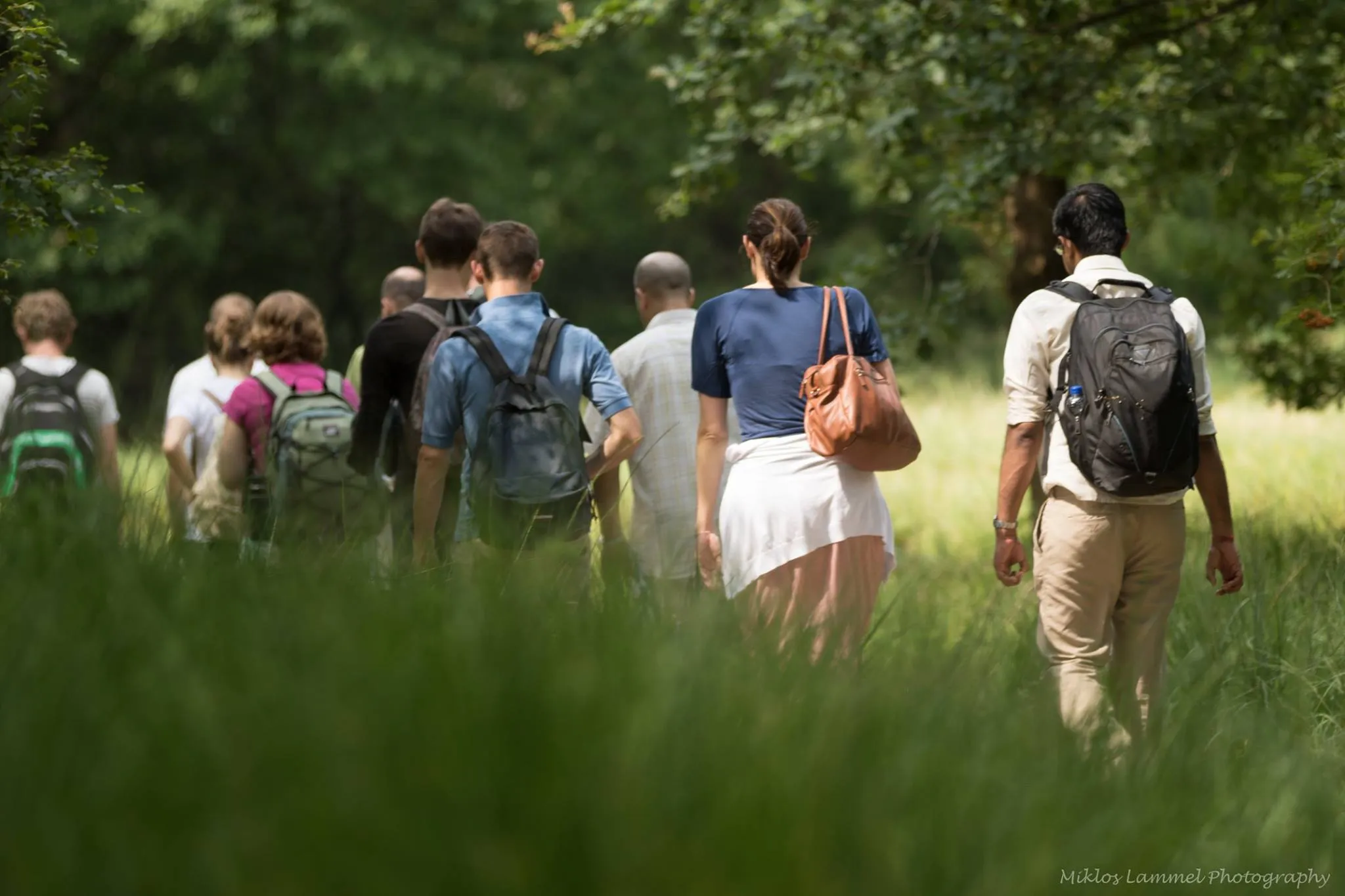
So we will encourage you to rest, walk out into the forest, and explore the inner worlds, rather than filling your free time.